

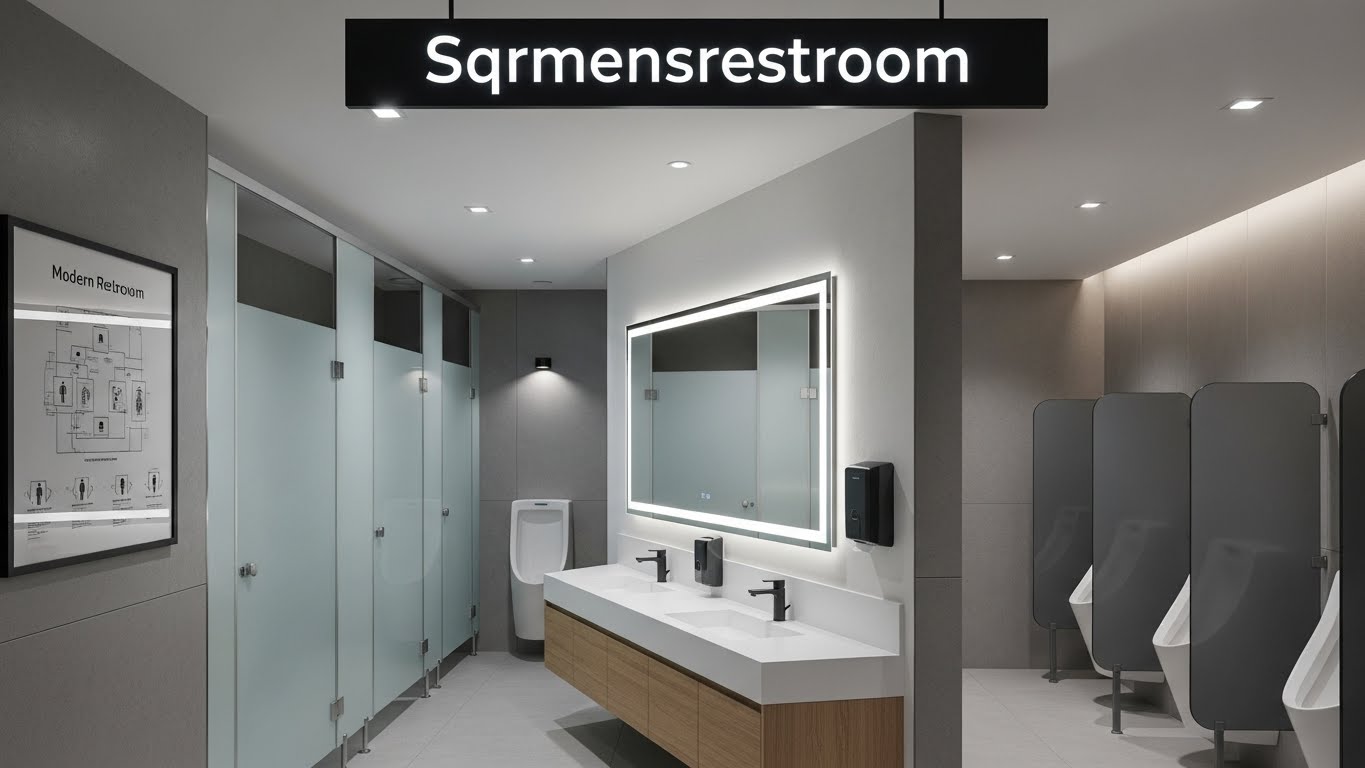
When you think of a restroom, what comes to mind? A sterile space that feels more like an afterthought than a necessity? It’s time to change that perception. Welcome to the world of Sqrmensrestroom—a revolution in modern restroom design. Gone are the days of cramped stalls and flickering fluorescent lights. Today’s restrooms are evolving into sleek, functional spaces that prioritize comfort, accessibility, and sustainability.
Imagine stepping into a restroom that not only looks good but also meets your needs seamlessly—from efficient layouts to eco-friendly features. Whether you’re designing for commercial properties or public facilities, understanding the principles behind Sqrmensrestroom can elevate any washroom experience. Join us as we explore this exciting journey toward creating modern restrooms that everyone will appreciate!
What is Sqrmensrestroom?
Sqrmensrestroom is a contemporary approach to restroom design. It focuses on creating spaces that are not only functional but also enhance user experience.
This concept emphasizes thoughtful layouts, innovative materials, and modern aesthetics. The goal is to make restrooms feel less utilitarian and more welcoming.
Designed with both the user’s comfort and convenience in mind, Sqrmensrestroom incorporates features such as ample space for movement and privacy. It seeks to eliminate the often sterile or uninviting atmosphere of traditional facilities.
Additionally, this design philosophy considers accessibility for all users. By implementing universal design principles, it ensures everyone can navigate these spaces easily.
Sqrmensrestroom represents a shift towards more considerate environments that prioritize hygiene while embracing style and functionality.
The Importance of Modern Restroom Design
Modern restroom design plays a crucial role in our daily experiences. It goes beyond mere functionality, contributing to comfort and aesthetic appeal.
A well-designed restroom can enhance user satisfaction. When visitors feel relaxed and at ease, the overall perception of a space improves significantly.
Accessibility is another vital aspect. A modern restroom accommodates various needs, ensuring everyone can navigate comfortably.
Hygiene has become more important than ever. Innovative designs incorporate materials and layouts that promote cleanliness while reducing the spread of germs.
Moreover, restrooms serve as reflections of a brand’s identity or public space ethos. An inviting atmosphere speaks volumes about attention to detail and care for users’ experiences.
Investing in thoughtful restroom design fosters positive impressions. It resonates with users long after they leave the facility.
Understanding User Needs and Behaviors
Designing a modern restroom goes beyond aesthetics. It starts with understanding the diverse needs of users. People visit restrooms for various reasons, from quick breaks to family outings.
Accessibility plays a huge role in this design process. Restrooms should accommodate everyone, including individuals with disabilities and parents with young children. Features like grab bars and changing tables are essential.
Privacy is another critical aspect. Users often seek personal space when using facilities. Soundproofing and thoughtful layouts help ensure comfort during each visit.
Moreover, cleanliness significantly impacts user experience. Visitors expect hygienic conditions that promote their well-being. Touchless fixtures can enhance sanitation while minimizing contact points.
Cultural considerations matter too—different communities might have unique expectations regarding restroom designs or gender inclusivity. Understanding these nuances leads to spaces that truly serve all visitors effectively and respectfully.
Key Elements of a Modern Restroom
A modern restroom embodies functionality and style. Clean lines and minimalist design set the tone, creating an inviting atmosphere.
Lighting plays a crucial role. Natural light is ideal, but when that isn’t possible, well-placed LED fixtures can enhance the space without overwhelming it.
Accessibility features are essential. Grab bars, wider stalls, and intuitive layouts ensure everyone feels welcomed and comfortable.
Quality materials matter too. Durable surfaces like quartz or porcelain withstand heavy use while looking fresh over time.
Consideration for privacy is vital as well. Partitions should offer sound dampening to create a peaceful experience for users.
Thoughtful layout optimizes flow. Ensuring easy movement between sinks, toilets, and exits reduces congestion during peak times—an often overlooked aspect of restroom design.
Eco-Friendly and Sustainable Features
Eco-friendly and sustainable features are becoming essential in modern restroom design. These elements not only reduce environmental impact but also promote user health.
Water-saving fixtures like low-flow toilets and touchless faucets minimize water waste significantly. Installing these can lead to substantial savings on utility bills while conserving precious resources.
Sustainable materials, such as recycled tiles or bamboo partitions, enhance the aesthetics of a restroom without harming the planet. They offer durability alongside eco-friendliness, making them an excellent choice for high-traffic areas.
Ventilation systems that utilize natural airflow help maintain air quality while reducing energy consumption. Incorporating plants into the design adds a refreshing touch and purifies the air naturally.
Lighting plays a vital role too. LEDs consume less electricity and have longer lifespans than traditional bulbs, aligning with sustainability goals while providing effective illumination.
Technology Integration in Restrooms
Technology is transforming how we experience restrooms. Smart features enhance not just convenience but also hygiene and efficiency. Imagine touchless faucets, automatic soap dispensers, and sensor-activated toilets all working in harmony.
These innovations minimize contact with surfaces, reducing the spread of germs. In public spaces, this can significantly improve user confidence.
Furthermore, advanced restroom management systems allow facility managers to monitor usage patterns. This data helps optimize cleaning schedules and maintenance efforts effectively.
Lighting plays a pivotal role too; motion sensors can adjust brightness based on occupancy. It’s both energy-efficient and enhances user comfort.
Mobile apps are becoming part of the equation as well. Users can locate nearby facilities equipped with modern amenities or even reserve stalls during peak times through their smartphones.
Integrating technology makes restrooms more than just functional spaces; they become smart environments that prioritize health and user satisfaction.
Case Studies: Successful Examples of Modern Restroom Design
One standout example of modern restroom design is the San Francisco International Airport. Their restrooms feature touchless faucets and toilets, enhancing convenience while reducing water usage. The spacious layouts ensure user comfort, catering to families and individuals alike.
Another impressive case is the Googleplex in Mountain View, California. Google’s restrooms boast vibrant colors and innovative designs that reflect its creative culture. They incorporate natural lighting, making these spaces feel welcoming and open.
In a different approach, the High Line Hotel in New York City blends historic elements with contemporary style. Vintage tiles meet sleek fixtures to create an inviting atmosphere that respects its heritage while providing modern amenities.
These examples highlight how thoughtful design can transform restrooms into enjoyable experiences rather than mere necessities. Each project illustrates a unique vision but shares common goals: functionality, aesthetics, and user satisfaction at their core.
Common Challenges and Solutions in Designing a Modern Restroom
Designing a modern restroom comes with its own set of challenges. One common issue is space constraints, especially in high-traffic areas. Limited square footage can make it tough to incorporate all necessary features without feeling cramped.
Another challenge pertains to ensuring privacy while maintaining visibility for safety. Striking the right balance between enclosed stalls and open layouts requires thoughtful planning.
Hygiene concerns are also paramount. High-touch surfaces can harbor germs, making regular cleaning essential. Integrating touchless fixtures helps mitigate this problem, enhancing both cleanliness and user experience.
Budget limitations often restrict creative solutions too. However, investing in quality materials and design can lead to long-term savings through durability and reduced maintenance costs.
Keeping up with changing regulations adds another layer of complexity. Designers must stay informed about local codes that govern restroom facilities to ensure compliance while creating a modern aesthetic.
Maintenance and Cleaning Considerations
Maintaining a modern restroom is crucial for ensuring a pleasant experience. Regular cleaning schedules are essential, but so are the materials used in the design.
Opt for surfaces that resist stains and bacteria. These materials not only simplify cleaning but also promote hygiene. For instance, antimicrobial coatings can minimize germ growth effectively.
Automated fixtures like touchless faucets and soap dispensers lower contact points. This enhances cleanliness while providing convenience to users.
Training staff on proper maintenance protocols can make a significant difference. Equip them with the right tools and products designed specifically for restroom care.
Routine inspections help identify potential issues before they escalate. Ensure that plumbing systems are checked regularly to avoid unpleasant surprises.
Consider signage that encourages users to keep the space clean. Simple reminders can foster respect for shared facilities and contribute to overall upkeep efforts.
Future Trends in Restroom Design
Sqrmensrestroom Restroom design is evolving rapidly, driven by changing user expectations and technological advancements. One emerging trend is the use of biophilic design elements. Incorporating natural materials and greenery not only enhances aesthetic appeal but also promotes well-being.
Smart technology is making its way into restrooms as well. Touchless faucets, smart toilets, and automated self-cleaning systems are becoming standard features. These innovations improve hygiene and enhance user convenience.
Inclusivity in restroom design is gaining importance too. Gender-neutral facilities are increasingly common, catering to diverse populations while providing privacy for all users.
Sustainability remains a key focus area. Water-saving fixtures and energy-efficient lighting reduce environmental impact while lowering operational costs for facilities.
As we look ahead, the integration of art in restroom spaces can transform mundane areas into engaging experiences—making visits memorable rather than routine.
Conclusion
Designing a modern restroom, particularly in the context of sqrmensrestroom, is a multifaceted challenge that requires thoughtful consideration. The aesthetics, functionality, and user experience all come into play when creating spaces that are not just utilitarian but also inviting.
As we look ahead to future trends in restroom design, it becomes clear that flexibility and innovation will be key. From eco-friendly materials to smart technology integration, each aspect can significantly enhance the overall experience for users while ensuring sustainability and efficiency.
By understanding user needs and addressing common challenges with creative solutions, designers have the opportunity to redefine what restrooms can be. Whether through innovative layouts or advanced cleaning technologies, modern restrooms can offer comfort and convenience like never before.
A focus on maintenance ensures these spaces remain welcoming over time. As society continues to evolve regarding hygiene practices and environmental awareness, so too must our approach to restroom design adapt accordingly.
The journey toward achieving excellence in sqrmensrestroom design is an ongoing one—filled with learning opportunities and advancements waiting just around the corner. Embracing this evolution opens up exciting possibilities for both users and creators alike.