

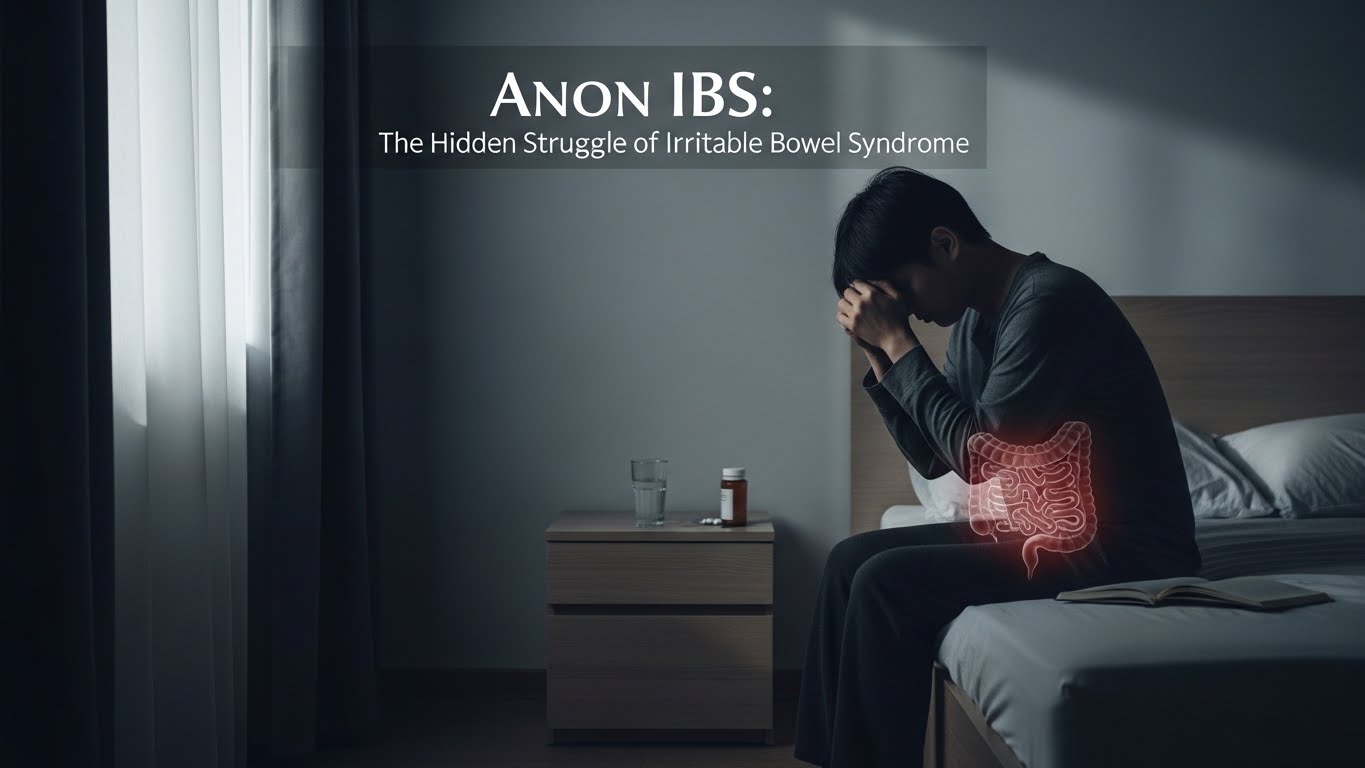
Living with Irritable Bowel Syndrome Anon IBS can feel like navigating a maze of uncertainty. For many, the condition remains shrouded in stigma and misunderstanding. Anon IBS is not just a health issue; it’s an invisible struggle that affects millions daily. Whether you’re one of those silently battling this disorder or simply looking to understand it better, you’re not alone in this journey.
From unexpected flare-ups to constant worry about meal choices, the challenges posed by IBS are very real. Yet, despite its prevalence, there is still much misconception surrounding what living with this syndrome truly entails. Join us as we unravel the complexities of Anon IBS, exploring symptoms, impacts on daily life, treatment options, and effective coping strategies for managing this often-misunderstood condition.
What is Anon IBS?
Anon IBS refers to a lesser-known aspect of Irritable Bowel Syndrome, where the condition remains hidden from public discussion. Many individuals experience symptoms but choose not to disclose their struggles due to stigma or misunderstanding.
This form of IBS can manifest in various ways, often leaving sufferers feeling isolated. They may deal with intense discomfort while navigating social settings or professional obligations without revealing their pain.
The anonymity surrounding this issue fosters a lack of awareness and education about its prevalence. As a result, many people feel trapped in silence, battling an invisible foe that disrupts their daily lives.
Recognizing Anon IBS is crucial for fostering empathy and support within communities. By bringing attention to these silent battles, we can pave the way for more open conversations about digestive health and wellness.
Common Symptoms of IBS
Irritable Bowel Syndrome (IBS) manifests through a variety of symptoms that can significantly disrupt daily life. Many people experience abdominal pain or cramping, which often accompanies changes in bowel habits.
Diarrhea and constipation are common culprits. Some individuals may alternate between the two, leading to discomfort and unpredictability. Bloating is another frequent complaint, leaving many feeling self-conscious and uneasy.
Gas can also become an unwelcome companion for those with IBS. This symptom adds to the discomfort and embarrassment experienced by sufferers in social settings.
Additionally, some report fatigue or difficulties sleeping due to ongoing gastrointestinal distress. Mental health issues like anxiety or depression can sometimes accompany these physical symptoms, creating a complex web of challenges for individuals navigating their condition.
Awareness of these signs is crucial for effective management and support on this hidden journey with IBS.
The Impact of IBS on Daily Life
Living with Anon IBS can be a daily challenge. Simple activities become daunting when you’re unsure of your body’s response.
Many experience sudden urges that disrupt plans, making it hard to enjoy social gatherings or even go to work. The fear of an unexpected episode adds anxiety, creating a cycle that’s tough to break.
Dietary restrictions often come into play, leading many to avoid certain foods that might trigger symptoms. This not only alters eating habits but also affects dining out and spending time with friends.
Mental health takes a hit as well. Constant discomfort can lead to stress, frustration, and isolation from loved ones who don’t quite understand the struggle.
Though invisible on the outside, Anon IBS reshapes how individuals navigate their world every day—making each decision and interaction feel like a careful balancing act.
Misconceptions Surrounding IBS
Irritable Bowel Syndrome often carries a heavy load of misconceptions. Many think it’s just about frequent trips to the bathroom, but it’s much more complex. The symptoms can vary widely among individuals.
Another common myth is that IBS is purely psychological. While stress and anxiety can exacerbate symptoms, IBS has physiological roots too. It’s not simply “in your head.”
Some believe that dietary changes are unnecessary. In reality, food plays a crucial role in managing IBS symptoms for many patients.
People may also assume that all medical professionals understand IBS well. Unfortunately, some healthcare providers overlook or misinterpret this condition, leading to frustration for those affected.
There’s the idea that living with IBS means a life of discomfort without relief options available. This couldn’t be further from the truth; effective treatment plans exist and offer hope for better management of daily life challenges associated with the syndrome.
Treatment Options for IBS
When it comes to treating Anon IBS, a multifaceted approach often works best. Dietary changes are usually the first recommendation. Keeping a food diary can help identify trigger foods that exacerbate symptoms.
Probiotics may also play a role in managing gut health. These beneficial bacteria can restore balance and improve digestion for some individuals.
Medications are another option if dietary adjustments aren’t enough. Antispasmodics or laxatives might be prescribed based on specific symptoms like cramping or constipation.
Cognitive behavioral therapy (CBT) is gaining traction as an effective method too. It addresses the psychological aspects of living with chronic illness, helping patients manage stress and anxiety related to their condition.
Alternative therapies like acupuncture or herbal remedies provide additional avenues for relief, though results can vary widely from person to person. Exploring these options can lead to finding what truly works for individual needs.
Coping Strategies for Managing IBS
Living with Anon IBS requires a proactive approach. One effective strategy is keeping a food diary. This helps identify trigger foods that may exacerbate symptoms.
Mindful eating can also be beneficial. Slowing down and savoring each bite allows for better digestion and awareness of how certain foods affect you.
Regular exercise plays a crucial role too. Gentle activities like yoga or walking not only improve gut health but also reduce stress, which can worsen symptoms.
Consider practicing relaxation techniques such as meditation or deep breathing exercises. These methods help calm the mind and body, providing relief from anxiety linked to IBS flare-ups.
Establishing a routine around meals can stabilize your digestive system. Eating at consistent times each day trains your body to function more predictably, making it easier to manage symptoms effectively.
Support and Resources for Those with IBS
For those living with anon IBS, finding the right support is crucial. Various organizations provide resources tailored to individuals seeking knowledge and understanding of their condition.
Websites like the International Foundation for Gastrointestinal Disorders offer valuable information on symptoms, treatments, and research updates. Educational articles can empower patients to take charge of their health.
Support groups also play a vital role. Connecting with others who share similar experiences fosters empathy and reduces feelings of isolation. Many communities host online forums where participants can exchange tips or simply vent about daily struggles.
Mental health resources are equally important. Professionals specializing in gastrointestinal issues often understand the emotional toll that IBS can take. Therapy or counseling can help manage anxiety related to unpredictable flare-ups.
Social media platforms have become spaces for sharing personal stories and coping mechanisms. Engaging with these communities allows individuals to feel less alone in their journey with anon IBS.
Conclusion
Living with Anon IBS is a journey filled with ups and downs. It’s a condition that many people face but often find difficult to discuss openly. Awareness and understanding can make all the difference. By recognizing the symptoms, addressing misconceptions, and seeking appropriate treatment options, those affected can reclaim control over their lives.
Coping strategies play a crucial role in managing this syndrome. Simple lifestyle changes, dietary adjustments, and stress management techniques can significantly improve quality of life for individuals dealing with irritable bowel syndrome.
Support is vital as well; connecting with others who understand your struggles offers comfort beyond words. Resources such as online forums, support groups, and informational websites provide valuable insight into living well with Anon IBS.
Embracing the realities of this condition while actively seeking solutions enables individuals to lead fulfilling lives despite their challenges. With knowledge comes power—power to navigate through daily struggles and emerge stronger on the other side.